Air Quality Test for Mold: A Homeowner's Guide for 2026
Indoor air quality has become an increasingly important consideration for homeowners, buyers, sellers, and property managers. Modern homes are often designed to be energy efficient and tightly sealed, but inadequate ventilation, moisture intrusion, plumbing leaks, and elevated humidity can contribute to indoor environmental concerns.
When visible mold or persistent moisture problems are suspected, professional assessment can help determine whether further investigation is appropriate. An air quality test for mold may be one component of a broader evaluation, particularly when there is concern about airborne fungal particles or unexplained indoor conditions.
Understanding Mold and Indoor Environments
Mold is a type of fungus that can grow when moisture and suitable organic materials are present. Small amounts of mold spores are naturally present in both indoor and outdoor environments.
The presence of mold spores alone does not necessarily establish that a building has a mold problem. Instead, professionals consider factors such as moisture conditions, visible growth, building history, ventilation, and test results when evaluating an indoor environment.
Common areas where moisture-related concerns can develop include:
- Bathrooms
- Kitchens
- Attics
- Crawl spaces
- Basements
- Around plumbing fixtures
- Near HVAC equipment
- Around windows and exterior doors
Addressing the underlying moisture source is often an important part of managing a suspected mold issue.
Why Indoor Air Testing May Be Considered
A professional air assessment may be considered when homeowners notice unusual odors, have experienced water intrusion, or want additional information about indoor environmental conditions.
Testing may involve collecting air samples from selected areas and comparing results with appropriate reference information. Depending on the testing approach, samples may be analyzed for different types or concentrations of fungal particles.
However, air testing should not be viewed as a standalone answer to every mold concern. A building inspection and moisture assessment can provide important context.
What Can Influence Indoor Air Quality?
Indoor air quality can be affected by many factors beyond mold. These may include:
- Ventilation
- Humidity
- Dust
- HVAC maintenance
- Cleaning products
- Outdoor air infiltration
- Building materials
- Combustion sources
- Moisture intrusion
For this reason, an indoor environmental evaluation should consider the overall condition of the property rather than focusing on one possible cause.
Signs That May Justify Further Investigation
Certain observations can prompt homeowners to seek professional assistance.
These may include:
Persistent Musty Odors
A persistent musty smell can indicate moisture or microbial growth somewhere in a building, although odor alone cannot identify the exact source.
Visible Growth
Discoloration or visible fungal growth on walls, ceilings, flooring, or other materials should be investigated, particularly when moisture is also present.
Previous Water Damage
Properties that have experienced roof leaks, plumbing failures, flooding, or other water intrusion may warrant closer examination.
Elevated Humidity
High indoor humidity can contribute to condensation and create favorable conditions for microbial growth. Proper ventilation and moisture control are important parts of maintaining an indoor environment.
What Does Mold Air Testing Involve?
The exact testing process depends on the property's circumstances and the professional conducting the assessment. A typical process may involve an initial visual evaluation followed by targeted sampling when appropriate.
The professional may consider:
- The property's history
- Visible moisture conditions
- Areas of concern
- Ventilation
- HVAC conditions
- Appropriate sampling locations
Samples may then be submitted to a qualified laboratory for analysis.
A laboratory report can provide information about the samples collected, but results should be interpreted within the context of the building.
Why Visual Inspection Still Matters
Testing should not replace a careful inspection of the property. Mold growth can occur on surfaces, inside building materials, or in areas that may not be represented by an air sample.
A property professional may look for:
- Water stains
- Moisture-damaged materials
- Plumbing leaks
- Roof intrusion
- Condensation
- Poor drainage
- Damaged seals
- HVAC-related moisture
Finding and correcting the moisture source is often more important than simply measuring airborne particles.
Considerations for Homebuyers
Homebuyers may want additional information when purchasing a property with a history of water damage, visible growth, persistent odors, or other environmental concerns.
An air quality test for mold can provide additional data when appropriate, but buyers should understand what the test can and cannot establish.
A broader inspection may help identify potential moisture sources, while laboratory analysis can provide information about collected samples. If significant concerns are identified, buyers may wish to obtain advice from qualified environmental or remediation professionals before completing major decisions.
Benefits for Sellers
Sellers can also take a proactive approach to indoor environmental concerns. If a property has experienced previous water intrusion or remediation, having appropriate documentation can help explain the property's history.
Useful records may include:
- Previous inspection reports
- Moisture assessments
- Repair invoices
- Remediation documentation
- HVAC maintenance records
- Laboratory reports
Keeping organized records can make it easier to communicate relevant property information during a real estate transaction.
What Happens If Mold Is Found?
The appropriate response depends on the extent and location of the growth, the underlying moisture source, and the property's circumstances.
Potential next steps may include:
- Correcting plumbing leaks
- Repairing roof damage
- Improving ventilation
- Controlling humidity
- Removing affected materials
- Obtaining professional remediation
- Conducting follow-up assessment
Homeowners should avoid assuming that every situation can be resolved with a simple cleaning product. Significant or extensive problems may require qualified specialists.
Preventing Future Moisture Problems
Prevention is an important part of maintaining an indoor environment. Homeowners can reduce moisture-related risks by taking practical steps throughout the year.
These include:
- Repairing leaks promptly
- Maintaining gutters and drainage
- Monitoring indoor humidity
- Using bathroom ventilation
- Maintaining HVAC systems
- Inspecting areas around windows
- Addressing roof problems
- Keeping crawl spaces appropriately ventilated
Regular maintenance can help prevent small moisture problems from developing into larger building concerns.
The Role of Modern Inspection Technology
Inspection technology continues to evolve in 2026. Professionals may use moisture meters, thermal imaging equipment, digital documentation, and laboratory sampling to gather additional information.
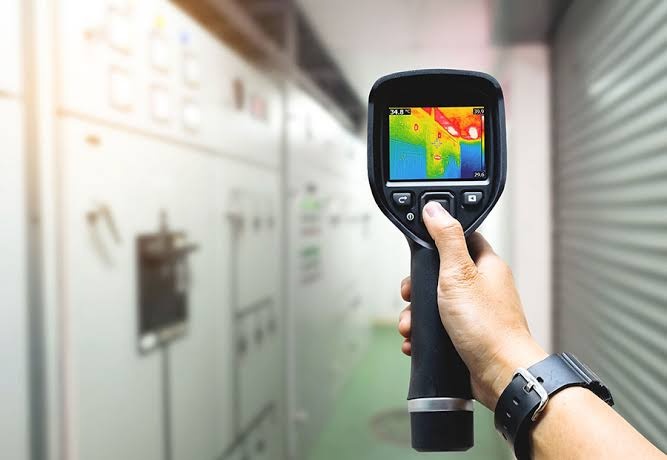
Thermal imaging can sometimes help identify temperature patterns associated with possible moisture conditions, while moisture meters can help assess certain building materials. These technologies do not automatically diagnose mold, but they can help identify areas that deserve closer examination.
The most useful evaluations combine technology with professional observation and appropriate laboratory analysis.
Why Professional Evaluation Matters in 2026
Indoor environmental concerns can be complicated because buildings, moisture conditions, ventilation systems, and outdoor environments vary significantly.
A professional air quality test for mold can provide useful information when sampling is appropriate, but results should be interpreted alongside the property's physical condition and history.
Homeowners should focus not only on test results but also on identifying and correcting the conditions that could allow unwanted microbial growth to develop.
Conclusion
Maintaining a well-managed indoor environment requires attention to moisture, ventilation, building maintenance, and HVAC systems. When homeowners encounter persistent odors, visible growth, water damage, or other concerns, professional evaluation can provide valuable information.
An air quality test for mold may be appropriate as part of a broader investigation, depending on the property's circumstances. Testing can provide data, while visual inspection and moisture assessment help put those results into context.
By addressing water intrusion promptly, maintaining ventilation, controlling humidity, and seeking professional guidance when necessary, homeowners can take a proactive approach to maintaining their properties throughout 2026 and beyond.

About Premium Author
This post has been authored and published by one of our premium contributors, who are experts in their fields. They bring high-quality, well-researched content that adds significant value to our platform.


Popular Categories
Stay Connected
Recent Posts