Custom Printed Deli Paper
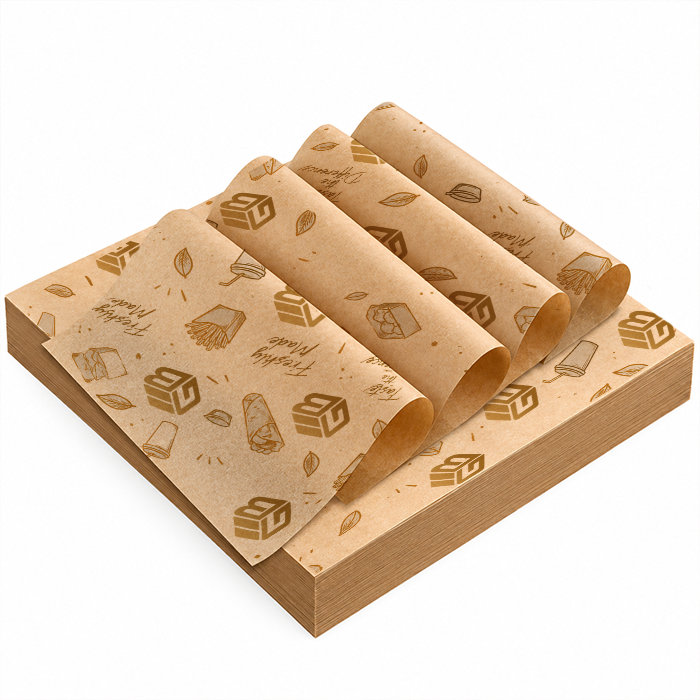
A sandwich wrapped neatly in branded paper feels different from one handed over in a plain sheet. The food may be the same, but the presentation tells a more complete story. Custom printed deli paper brings a business’s identity into everyday service, adding a recognizable detail to sandwiches, pastries, burgers, and other prepared foods.
For delis, cafés, bakeries, restaurants, and food trucks, effective wrapping should balance appearance with function. The paper needs to suit the food, fit the serving process, and feel comfortable to handle. Printing gives it personality, but practical decisions should come first.
What Is Custom Printed Deli Paper?
Custom printed deli paper is food wrapping or serving paper personalized with a logo, pattern, illustration, or short message. Businesses can use it as a wrap, tray liner, basket liner, or an additional presentation layer inside suitable packaging.
It may be supplied in rolls or precut sheets, depending on the workflow. The appropriate format should follow the menu and serving method rather than design preference alone.
The name “deli paper” does not explain every material characteristic. Buyers should request clear specifications covering the paper, coatings, printing, and intended application.
Begin With the Food Being Served
Before choosing artwork, establish what the paper will touch and how long it will be used. A cold sandwich, a warm pastry, and a freshly prepared burger create different serving conditions.
Think about moisture, grease, temperature, and the shape of the food. Also consider whether customers will eat directly from the sheet or remove it before serving.
Useful planning questions include:
Will the paper touch food directly?
Is the food hot, chilled, oily, or moist?
Will the sheet wrap the item completely?
How long will the food remain packaged?
Is another container or wrapping layer involved?
Will customers carry the food before eating?
These details provide a more useful purchasing brief than appearance alone.
Confirm Suitability for the Intended Application
An attractive printed sheet should not automatically be treated as appropriate for every food-service task. Ask for documentation relevant to the complete finished product and its intended use.
Confirm whether there are limitations involving temperature, contact time, or particular food types. Ask whether one side is intended to face the food and whether the printing affects that arrangement.
Avoid treating general phrases such as “food-safe ink” as a substitute for clear information about the finished paper.
Keep the agreed specification with the approved artwork. This provides a reference for reorders and helps identify changes in materials or construction.
Choose Between Rolls and Precut Sheets
The best format is the one that fits the team’s routine. Rolls allow staff to cut different lengths, while precut sheets provide a consistent starting size.
Observe the actual preparation process before deciding. A varied menu may call for flexibility, while repeated wrapping of similar portions may suit a standard sheet.
For rolls, consider dispenser placement and the cutting method. For sheets, review storage, separation, and access during busy periods.
Neither option is automatically better. The aim is to reduce unnecessary handling and make wrapping feel like a natural part of preparation.
Get the Sheet Size Right
A sheet that is too small can leave awkward gaps. One that is much larger than necessary may create bulky folds and unnecessary waste.
Measure typical servings and test the wrapping method with actual menu items. Include larger portions that still fall within the normal serving range.
Look at the finished package from several angles. Check whether staff can close the wrap neatly and whether customers can open it without difficulty.
If one size performs poorly across the menu, two well-chosen sizes may be more practical than forcing every order into the same format.
Design for Folds, Curves, and Partial Visibility
Deli paper is rarely seen as a flat page. It folds around food, overlaps at the edges, and may be partly covered by a customer’s hand.
A repeating logo or small illustration pattern can suit this format because the branding remains visible across different sections. Keep individual design elements simple enough to recognize when the sheet is folded.
Avoid depending on a long sentence that disappears beneath an overlap. Place essential information elsewhere if it needs to remain fully readable.
The artwork should work with the wrapping process rather than require perfect positioning every time.
Keep the Branding Balanced
Food already contributes color, texture, and visual interest. The paper should support that presentation rather than compete with it.
A limited palette, readable lettering, and comfortable spacing can create a distinctive design without overcrowding the surface. A small logo repeated consistently may be enough.
Choose a visual direction that fits the business. Original illustrations can suit a playful café, while a restrained pattern may work for a more understated deli.
The goal is recognition, not maximum ink coverage. Every printed element should have a reason for being there.
Coordinate With Other Packaging
Custom printed deli paper can connect different parts of a takeaway order. Shared typography, colors, or graphic details can link the wrap with bags, boxes, cups, and labels.
Coordination does not require identical artwork on every item. A detailed paper pattern can sit alongside a simple outer box, provided the combination feels intentional.
Review the complete order rather than each component separately. Consider how the paper looks inside a box, beside a drink, or partly visible from a takeaway bag.
A consistent presentation comes from thoughtful relationships between packaging items.
Test the Paper During Real Service
A clean sample on a desk cannot reveal every practical issue. Trial the paper with actual food and ordinary preparation conditions.
Ask staff to assess cutting, folding, handling, and presentation. Check whether the sheet remains suitable throughout the expected serving period.
Review the printing after wrapping as well. A design that looks clear when flat may become difficult to recognize once folded.
Record the approved size, format, material specification, and artwork version so future orders can be checked against the same standard.
Balance Cost, Quantity, and Material Claims
Compare the complete order cost, including samples, artwork preparation, printing, delivery, and storage. Base quantities on realistic use rather than unit price alone.
Seasonal designs deserve particular care. Highly specific artwork may leave unused stock after a promotion ends.
Keep disposal and environmental statements specific to the finished paper. Do not assume that a natural appearance or a particular ink description establishes recyclability or compostability.

About Premium Author
This post has been authored and published by one of our premium contributors, who are experts in their fields. They bring high-quality, well-researched content that adds significant value to our platform.
You Might Also Like
Popular Categories
Stay Connected
Recent Posts