How to Create More Outfits with Fewer Clothes
How to Create More Outfits with Fewer Clothes
Creating more outfits with fewer clothes is a practical way to simplify your wardrobe, save money, and develop a consistent personal style. You do not need a closet filled with the latest fashion trends to look stylish every day. Instead, the key is choosing versatile clothing pieces that work well together and can be styled in different ways. Basic T-shirts, comfortable jeans, neutral hoodies, lightweight jackets, and everyday sneakers can create numerous outfit combinations when selected carefully. This approach is especially useful for people who prefer modern casualwear and streetwear but want to avoid unnecessary shopping. By focusing on color coordination, layering, fit, and multifunctional essentials, you can make better use of the clothing you already own. Exploring sinclair clothing can also provide inspiration for building a wardrobe that combines comfort, versatility, and contemporary fashion without requiring too many individual pieces.
1. Start with a Versatile Wardrobe Foundation
The first step toward creating more outfits with fewer clothes is building a foundation of versatile essentials. These are clothing pieces that can be worn with several other items in your wardrobe without looking repetitive. Plain T-shirts, straight-leg jeans, neutral sweatshirts, casual trousers, simple jackets, and clean sneakers are excellent starting points. Choose items based on your daily routine and personal preferences rather than buying clothing simply because it is trending. For example, a white T-shirt can work with blue jeans, black trousers, cargo pants, or shorts, while a neutral sweatshirt can complement several different bottoms. When most of your clothing works together, getting dressed becomes easier and you have more opportunities to create fresh combinations. You can begin by reviewing your existing wardrobe, identifying the pieces you wear most often, and filling only the gaps that prevent you from combining items effectively.
2. Choose Colors That Mix and Match Easily
A coordinated color palette is one of the easiest ways to increase the number of outfits you can create. Neutral shades such as black, white, gray, navy, beige, and olive are particularly useful because they work well together and can support many different styles. You do not need to make your entire wardrobe neutral, but having a reliable base makes mixing and matching much simpler. For example, black jeans can be paired with a white T-shirt, gray hoodie, beige overshirt, or navy sweatshirt. Each combination creates a different appearance using the same trousers. Once your basic palette is established, introduce a few accent colors through graphic T-shirts, caps, or statement pieces. Try to select colors that complement your existing clothing instead of purchasing items that only work with one particular outfit. This strategy helps you create a wardrobe where individual pieces have multiple uses, reducing the need to buy additional clothes whenever you want a different look.
3. Invest in Clothing That Serves Multiple Purposes
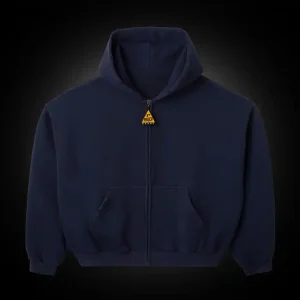
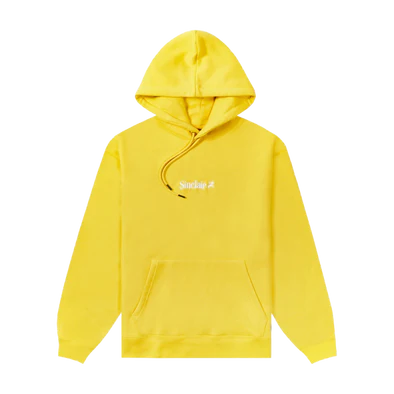
Multifunctional clothing makes a smaller wardrobe much more effective. Look for pieces that work across different occasions, seasons, and outfit combinations. A plain T-shirt can be worn alone in warm weather or layered under a shirt, hoodie, or jacket when temperatures drop. A lightweight overshirt can function as a top on its own or as an outer layer over a basic tee. Similarly, comfortable jeans can be styled for relaxed weekends, casual outings, and informal social gatherings. When choosing a new item, consider whether it can serve more than one purpose and whether it complements several pieces you already own. A sinclair hoodie, for instance, can become a useful everyday essential when its design and color work with multiple pairs of trousers and different footwear options. Prioritizing adaptable clothing allows you to build a practical wardrobe where each item contributes to several complete outfits rather than being limited to a single combination.
4. Use Layering to Create Different Looks
Layering is an effective way to make familiar clothing feel new without purchasing additional pieces. By combining garments in different ways, you can change the appearance, texture, and overall structure of an outfit. A basic white T-shirt and jeans create a simple casual look, but adding an open overshirt creates a more structured appearance. Replacing the overshirt with a hoodie or lightweight jacket changes the outfit again. You can also experiment with wearing a casual shirt over a graphic tee or combining a sweatshirt with a suitable outer layer during cooler weather. To keep layered outfits balanced, consider the thickness, length, and fit of each garment. Lightweight pieces generally work well underneath heavier outerwear, while too many bulky layers may reduce comfort. Layering is especially useful during changing weather because you can remove or add pieces throughout the day. With a small collection of compatible garments, you can create several distinctive outfits from the same basic foundation.
5. Style the Same T-Shirt in Different Ways
T-shirts are among the most adaptable items in a wardrobe, making them ideal for creating multiple outfits with fewer clothes. Start with a plain T-shirt in a color that complements most of your trousers. For one outfit, pair it with blue jeans and sneakers for a classic casual appearance. For another, wear it with black cargo pants and a cap to create a streetwear-inspired look. You can also layer the same T-shirt under an open shirt, a neutral hoodie, or a lightweight jacket. Small changes in accessories, footwear, and the way you style the layers can make the overall combination feel different. If you prefer graphic designs, treat them as statement pieces and keep the rest of the outfit relatively simple. Rather than buying a new shirt for every occasion, experiment with the combinations you already have. This approach helps you discover how much variety can come from a few reliable basics.
6. Make Your Hoodies Work Harder
Hoodies are useful wardrobe essentials because they can complement different clothing styles and work across a range of casual situations. A neutral hoodie can be paired with blue denim for an everyday outfit, black trousers for a cleaner urban appearance, or relaxed cargo pants for a more streetwear-focused look. You can also change the overall outfit by switching between sneakers, boots, and other suitable casual footwear. For a layered combination, wear the hoodie underneath a jacket when the weather allows. If the hoodie features bold graphics or a distinctive design, choose simpler trousers and accessories to keep the outfit balanced. If it is plain, you can introduce more visual interest through colored sneakers, a cap, or a contrasting outer layer. Brands such as sinclair global may offer inspiration when exploring contemporary casualwear and streetwear options. Choosing a hoodie that works with several items in your wardrobe helps you create more combinations while keeping your clothing collection manageable.
7. Change Your Footwear and Accessories
You can give the same outfit a different feel by changing its footwear and accessories. A basic combination of a T-shirt and jeans may look relaxed with everyday sneakers, more rugged with suitable boots, or slightly smarter with clean, understated shoes appropriate for the occasion. Accessories can create similar changes without requiring new clothing. A cap, watch, belt, backpack, or simple piece of jewelry can introduce personality into an otherwise familiar outfit. However, the aim is not to collect large numbers of accessories. A few versatile options are usually enough to create variety. Choose accessories that complement your wardrobe's color palette and suit your everyday routine. If your clothing already includes bold graphics or strong colors, keep the accessories minimal. If your outfit is mostly neutral, one distinctive accessory can become its main feature. Small adjustments like these allow you to refresh familiar outfits without buying additional shirts, trousers, or jackets.
8. Build a Small Collection of Reliable Bottoms
The trousers you own can determine how many outfit combinations are possible with your tops. Instead of collecting many similar pairs, choose a small selection of bottoms that serve different purposes. For example, blue jeans provide a classic casual option, black trousers offer a clean and adaptable alternative, and cargo pants introduce a more relaxed streetwear appearance. Depending on your lifestyle and climate, you might also include chinos or shorts. Each type of bottom works with different tops and accessories, allowing you to create variety without needing a large wardrobe. When selecting trousers, focus on comfortable fits, useful colors, and compatibility with the shoes you already own. Straight-leg and regular-fit styles are often easy to combine with different tops, while relaxed fits can suit an oversized streetwear aesthetic. Having a few well-chosen bottoms gives your T-shirts, hoodies, and jackets more styling possibilities and makes it easier to plan outfits for different occasions.
9. Organize Your Wardrobe for Easy Outfit Planning
A well-organized wardrobe can help you discover combinations you might otherwise overlook. Begin by arranging your clothing into categories such as T-shirts, trousers, hoodies, jackets, and accessories. You can also group items by color or season so that compatible pieces are easier to identify. Take time to try different combinations instead of automatically wearing the same outfits every week. Photograph combinations you particularly like and keep the images as a personal style reference. Another useful method is to plan several outfits at the beginning of the week, especially if your schedule is busy. This makes getting dressed faster and reduces the temptation to buy something new simply because you feel you have nothing to wear. Review your wardrobe periodically and identify items that no longer fit, suit your lifestyle, or work with other pieces. Better organization helps you use what you already own more effectively and makes a smaller clothing collection feel more versatile.
10. Shop Less and Make More Thoughtful Choices
Creating more outfits with fewer clothes requires a shift in how you approach shopping. Instead of buying items impulsively, focus on clothing that fills a specific gap in your wardrobe. Before making a purchase, consider whether the item matches your preferred style, feels comfortable, and works with at least three pieces you already own. Check the fabric, stitching, fit, and care instructions to determine whether it suits your needs. Avoid buying multiple items that perform exactly the same function unless you genuinely need them. It is also worth considering whether a new purchase will remain useful beyond the current season or trend. When exploring sinclair clothing, prioritize versatile designs that complement your existing casualwear or streetwear collection. Thoughtful shopping helps you spend money more effectively while avoiding unnecessary clutter. The goal is not to own the smallest possible number of garments, but to make sure that each item you own contributes meaningful value to your everyday style.
11. Create a Simple Outfit Rotation
An outfit rotation helps you use your wardrobe consistently without feeling that you are wearing the same thing every day. Start by identifying several combinations that you enjoy and can wear comfortably in your usual settings. For example, one day you might pair a white T-shirt with blue jeans, another day you could wear a hoodie with black trousers, and on another occasion you might choose a graphic tee with cargo pants. Reuse the same essentials but vary the combinations, layers, footwear, or accessories. You can also adapt these outfits to the weather by adding a jacket or switching to lighter clothing when temperatures rise. An outfit rotation does not have to be rigid; it simply gives you a starting point when deciding what to wear. Over time, you will learn which combinations are most practical and which pieces offer the greatest versatility. This makes everyday dressing more efficient and reduces the pressure to keep purchasing new clothing.
Conclusion
Creating more outfits with fewer clothes is about making smarter use of the items you already own. By building a foundation of versatile essentials, choosing compatible colors, using layers, and experimenting with footwear and accessories, you can create a wide variety of looks from a relatively small wardrobe. Basic T-shirts, comfortable jeans, neutral hoodies, and practical jackets are especially useful because they can be styled in many different combinations. Organizing your wardrobe and shopping with a clear plan will also help you avoid unnecessary purchases. Whether you prefer minimalist casualwear or modern streetwear, focus on comfort, adaptability, and clothing that reflects your personality. Explore sinclair clothing, consider versatile pieces such as a sinclair hoodie, and use inspiration from sinclair global to build a wardrobe where every item works harder and every outfit feels intentional.

About Barbas Hats
The EL Barbas Hats editorial team shares insights into hat collections, styling choices, and contemporary fashion trends.
Popular Categories
Stay Connected
Recent Posts