Beverage Carrier Boxes: Convenient and Reliable Packaging for Drinks
Beverages are often purchased on the go, ordered for delivery, or served at events where customers need a convenient way to transport multiple drinks. Whether carrying coffee, juice, smoothies, milkshakes, or bottled beverages, customers expect packaging that keeps their drinks secure and makes transportation easier. Beverage carrier boxes provide a practical solution by holding multiple cups or bottles in one organized package while reducing spills, movement, and handling difficulties.
For coffee shops, restaurants, juice bars, catering companies, and beverage brands, the right drink packaging can improve customer convenience and create a more professional presentation. From simple cardboard carriers to custom-printed beverage packaging, businesses can choose options that match their products, service requirements, and brand identity.
Why Beverage Carrier Boxes Are Important
Carrying several drinks without proper packaging can be challenging. Cups may tip over, lids can loosen, and beverages may spill during transportation. Beverage carrier boxes help solve these problems by providing individual spaces that keep drinks upright and separated.
These carriers are especially useful for takeaway orders, office coffee deliveries, parties, corporate meetings, and large beverage purchases. Instead of balancing multiple cups by hand, customers can transport their drinks more comfortably.
Some important benefits include:
Improved drink stability: Individual compartments help prevent cups and bottles from moving around.
Convenient transportation: Customers can carry multiple beverages together with less effort.
Reduced spills: A supportive structure helps keep drinks upright during handling.
Better presentation: Organized packaging creates a cleaner and more professional appearance.
Order protection: Separate sections help prevent drinks from knocking into one another.
For businesses that regularly receive large beverage orders, well-designed carriers can make the pickup and delivery experience more efficient.
Choose the Right Material for Beverage Packaging
Material selection plays an important role in the strength, durability, and performance of beverage carrier boxes. The ideal material depends on the weight of the drinks, the number of compartments, and the expected transportation conditions.
Corrugated Cardboard
Corrugated cardboard is a popular choice for carrying multiple beverages because its fluted structure provides additional strength and support. It works well for heavier cups, bottles, and takeaway drink orders.
Businesses can choose different corrugated grades depending on the required durability. Stronger board options are particularly useful for catering orders and longer delivery journeys.
Kraft Paperboard
Kraft paperboard offers a natural appearance and practical strength for everyday beverage packaging. Its brown surface creates a simple, understated look that works well for coffee shops, juice bars, and businesses that prefer minimal packaging.
It can also be printed with logos, product information, and simple graphics to create a recognizable presentation.
Recyclable Paperboard
Recyclable paperboard is another option for lightweight beverage carriers. It is suitable for various takeaway applications and can be designed with folded handles, dividers, and reinforced bases.
Businesses should select an appropriate board thickness to ensure that the packaging can safely support the intended beverage weight.
Popular Styles of Beverage Carrier Boxes
Different drinks and serving situations require different packaging structures. Selecting the right carrier style helps businesses improve functionality and provide a better customer experience.
Two-Cup Beverage Carriers
Two-cup carriers are designed for customers purchasing a pair of drinks. They are commonly used by coffee shops, cafes, and takeaway counters. Their compact structure makes them convenient for smaller orders.
Four-Cup Beverage Carrier Boxes
Four-cup carriers provide space for multiple drinks in one package. They are useful for families, office orders, group purchases, and catering services. Individual compartments help separate each beverage and reduce movement.
Bottle Carrier Boxes
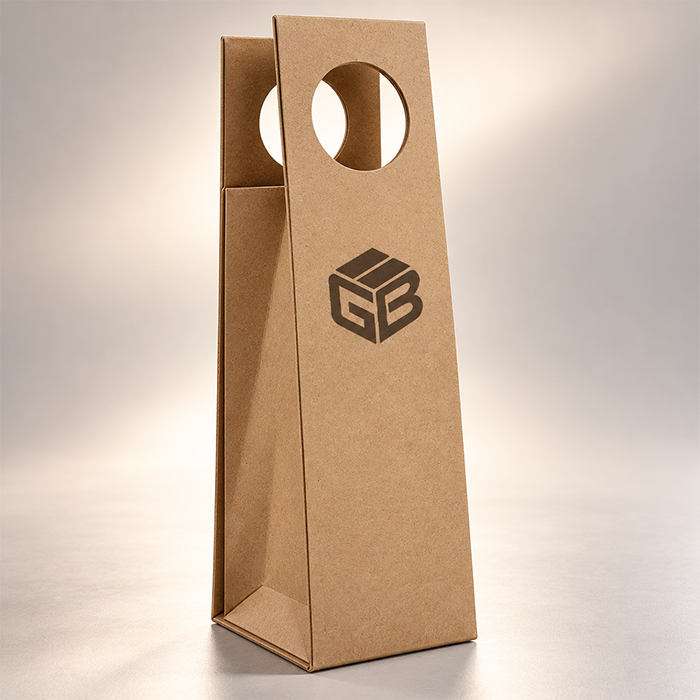
Bottle carriers are designed to hold bottled beverages securely. Internal dividers help prevent bottles from hitting one another during transportation. These boxes can be used for juice bottles, specialty drinks, milk bottles, and other packaged beverages.
Beverage Boxes with Handles
Built-in handles make beverage packaging easier to carry. They are especially useful for customers transporting several drinks from restaurants, cafes, and event locations. Handle placement and reinforcement should be carefully designed to support the total weight.
Custom Beverage Carrier Boxes
Custom beverage carrier boxes can be developed around specific cup sizes, bottle dimensions, and packaging requirements. Businesses can select the number of compartments, handle design, material, and printing style to create packaging that fits their products.
The Importance of Proper Compartments and Inserts
The internal structure of a beverage carrier directly affects its performance. Compartments should hold drinks firmly without making them difficult to insert or remove.
A properly designed carrier considers cup diameter, bottle height, lid dimensions, and the space needed between individual beverages. Dividers and inserts can provide additional separation, particularly when packaging glass bottles or different-sized drinks.
For takeaway coffee and cold beverages, the compartment openings should support the lower portion of each cup while allowing customers to remove their drinks easily. The base should also be strong enough to support the combined weight of all beverages.
Businesses should test their packaging with actual filled cups or bottles before approving a final design. This helps identify problems with stability, handle strength, and overall fit.
Custom Printing for Beverage Carrier Boxes
Packaging is often one of the first things customers notice when receiving a takeaway order. Custom printing can help businesses create a consistent appearance across their beverage packaging.
Logos, brand colors, illustrations, and promotional messages can be added to suitable carrier surfaces. A simple design can make even basic cardboard packaging look more professional.
Popular printing options include:
Flexographic printing: Suitable for simple graphics and larger packaging quantities.
Digital printing: Useful for detailed artwork, smaller runs, and flexible designs.
Offset printing: Provides sharp images and consistent colors for appropriate paperboard packaging.
Businesses can also consider matte or gloss finishes where compatible with the selected material. However, printing and coating choices should not compromise the packaging's strength or its suitability for the intended use.
Beverage Carrier Boxes for Different Businesses
Beverage carrier packaging serves a wide range of industries. Each business can select a structure based on its products and customer requirements.
Coffee Shops and Cafes
Coffee shops frequently handle orders containing multiple hot or iced drinks. Two-cup and four-cup carriers make these orders easier to transport while keeping beverages organized.
Juice Bars and Smoothie Shops
Juice and smoothie businesses can use carriers designed for different cup sizes and lid styles. Proper compartment sizing helps keep cold beverages stable during pickup and delivery.
Restaurants and Takeaway Services
Restaurants often include drinks with meal orders. Beverage carriers help separate drinks from food packaging and make larger takeaway orders easier to handle.
Catering and Event Companies
Catering businesses may need to transport beverages for meetings, celebrations, conferences, and other gatherings. Multi-compartment carriers help organize drinks and simplify distribution.
Beverage Manufacturers
Companies selling bottled beverages can use custom bottle carriers to package multiple products together. Dividers and suitable structural designs provide additional protection during handling and transportation.
Sustainable Beverage Packaging Options
Many businesses are looking for packaging materials that support more responsible disposal and recycling practices. Paper-based beverage carriers can be a suitable option when made from recyclable materials and designed without unnecessary components.
Kraft and recyclable paperboard are common choices for businesses seeking alternatives to certain plastic packaging formats. However, recyclability depends on the material composition, coatings, adhesives, and local recycling facilities.
Using the correct box dimensions can also help reduce unnecessary material. A carrier designed specifically for its intended drinks can provide sufficient support without adding excessive packaging.
Businesses should review material specifications and local recycling requirements before selecting an environmentally focused packaging solution.
How to Choose the Best Beverage Carrier Boxes
The best beverage carrier depends on the drinks being transported and how customers will use the packaging. Before selecting a design, businesses should evaluate several important factors.
Determine the number of drinks: Decide whether the packaging needs to hold two, four, or more beverages.
Measure cup and bottle dimensions: Check the diameter, height, lid size, and overall shape of each drink container.
Select suitable material: Choose a board grade that can support the combined beverage weight.
Consider handle strength: Ensure that the handle and surrounding structure can withstand regular carrying.
Evaluate compartment design: Use appropriately sized openings and dividers to keep beverages separated.
Choose printing requirements: Decide whether simple branding, full-color artwork, or minimal printing is needed.
Test the final structure: Check stability, fit, and durability using filled beverage containers.
Taking these steps helps businesses avoid packaging problems and select carriers that work effectively in everyday operations.
Conclusion
Beverage carrier boxes make it easier for customers and businesses to transport multiple drinks safely and conveniently. With suitable materials, strong handles, properly sized compartments, and practical structural designs, these carriers can support a wide range of takeaway, delivery, and catering applications.

About Premium Author
This post has been authored and published by one of our premium contributors, who are experts in their fields. They bring high-quality, well-researched content that adds significant value to our platform.
You Might Also Like
Popular Categories
Stay Connected
Recent Posts