Dehumidifier Services | Smart Humidity Control for Homes in 2026

Indoor comfort is about more than simply setting the right temperature. Humidity plays a major role in how a home feels, how efficiently an HVAC system operates, and how well the indoor environment is maintained. When moisture levels remain too high, rooms can feel warmer and stickier, condensation may appear, and moisture-related problems can develop.
For homeowners in humid climates, controlling indoor moisture can be particularly important. Professional Dehumidifier Services provide a practical way to maintain balanced humidity while supporting HVAC performance and protecting the home.
As smart HVAC technology and indoor air quality solutions continue advancing in 2026, modern dehumidification systems are becoming more efficient, connected, and easier to manage.
Why Indoor Humidity Matters
Humidity refers to the amount of moisture present in the air. While some humidity is necessary for a comfortable indoor environment, excessive moisture can create several challenges.
High indoor humidity may contribute to:
- A sticky or uncomfortable feeling
- Condensation on windows
- Musty odors
- Moisture-related property damage
- Conditions favorable to mold growth
- Increased dust mite activity
- Greater strain on air conditioning equipment
A home does not necessarily need extremely low humidity to be comfortable. The goal is balanced moisture control that works alongside the HVAC system.
How a Dehumidifier Works
A dehumidifier removes excess moisture from indoor air. In many systems, humid air passes over a cooled coil, causing moisture to condense. The collected water is then drained away while drier air is returned to the living space.
Whole-home dehumidifiers can work alongside central HVAC equipment to provide more consistent humidity control throughout a property.
Unlike an air conditioner, which primarily removes heat while also removing some moisture, a dedicated dehumidifier is specifically designed to manage humidity.
Signs Your Home May Have Excess Humidity
Homeowners may notice several clues when indoor moisture levels are higher than desirable.
Common signs include:
- Condensation on windows
- Persistent musty smells
- Damp-feeling rooms
- Visible moisture around certain areas
- Peeling paint or wallpaper
- Frequent mold concerns
- A home that feels warmer than the thermostat setting suggests
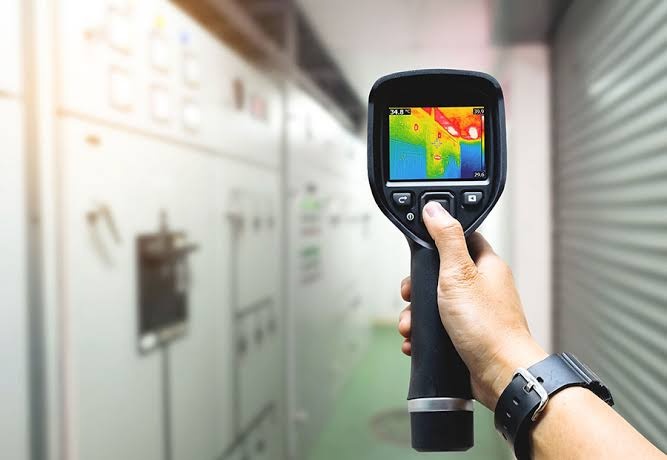
A humidity measurement can provide more useful information than relying only on how the air feels.
Professional Dehumidifier Services can help determine whether the existing equipment is working correctly and whether additional humidity control is appropriate.
What Professional Dehumidifier Services Include
Dehumidification equipment contains electrical, mechanical, drainage, and refrigeration-related components depending on the system design. Professional service helps ensure these parts operate correctly.
A service appointment may include:
- Inspecting coils
- Cleaning filters
- Checking condensate drainage
- Testing humidity controls
- Inspecting electrical connections
- Checking blower operation
- Evaluating system performance
- Inspecting for unusual noises or leaks
- Testing overall moisture removal
Regular service can identify developing problems before they lead to complete equipment failure.
How Humidity Control Supports HVAC Efficiency
An air conditioner may need to run longer when indoor humidity is high because the space can feel uncomfortable even after the temperature has reached the thermostat setting.
A properly operating dehumidifier can remove excess moisture separately, allowing the cooling system to focus primarily on temperature control.
This may help support:
- More consistent comfort
- Reduced HVAC workload
- Better temperature control
- Improved moisture management
- More efficient overall operation
However, the actual energy savings depend on equipment efficiency, home construction, climate, settings, and how the systems are operated.
Dehumidification and Indoor Air Quality
Humidity management is an important part of a broader indoor air quality strategy. Excessive moisture can create favorable conditions for certain biological growth, while overly dry conditions can also create their own comfort concerns.
The ideal approach is to maintain balanced humidity rather than simply removing as much moisture as possible.
Homeowners can combine humidity management with:
- Appropriate HVAC filtration
- Regular filter replacement
- Adequate ventilation
- HVAC maintenance
- Moisture-source control
- Professional indoor air quality assessments
This creates a more comprehensive approach to indoor comfort.
Smart Humidity Control Trends in 2026
Technology is transforming how homeowners manage indoor environmental conditions. Modern dehumidification systems can integrate with smart thermostats and home automation platforms.
Smart Humidity Sensors
Connected sensors can provide real-time information about indoor moisture levels and help homeowners recognize changes.
Automated Controls
Advanced systems can automatically activate or adjust dehumidification based on programmed humidity settings.
Remote Monitoring
Some connected HVAC systems allow homeowners to monitor indoor conditions through mobile applications.
Integrated HVAC Management
Modern systems can coordinate temperature and humidity control, creating a more streamlined approach to indoor comfort.
These technologies give homeowners greater visibility and control over their indoor environment.
Preventive Maintenance Helps Avoid Unexpected Problems
Like other HVAC equipment, a dehumidifier can lose efficiency when filters become clogged, coils become dirty, or drainage components develop problems.
Routine maintenance can help:
- Maintain moisture-removal performance
- Reduce unnecessary system strain
- Identify leaks
- Protect electrical components
- Extend equipment life
- Reduce unexpected service calls
Scheduling maintenance before periods of heavy humidity can be especially helpful in regions where moisture levels remain elevated for much of the year.
When Should You Repair or Replace a Dehumidifier?
Not every dehumidifier problem requires replacement. A technician may be able to correct a drainage issue, replace a faulty control, clean the system, or address another relatively minor problem.
Replacement may be worth considering when:
- The equipment is aging
- Repairs are becoming frequent
- Moisture removal has declined significantly
- Operating costs are increasing
- Major components have failed
- The existing system no longer meets the property's needs
A professional evaluation can help homeowners compare repair costs with the long-term benefits of modern equipment.
Choosing a Dehumidifier Professional
Because humidity control equipment works closely with HVAC systems, choosing an experienced service provider is important.
Look for a company that offers:
- Qualified HVAC technicians
- Experience with whole-home dehumidifiers
- Indoor air quality knowledge
- Preventive maintenance programs
- Professional diagnostics
- Clear recommendations
- Transparent pricing
A knowledgeable professional can evaluate the home, existing HVAC system, and humidity concerns before recommending a solution.
Conclusion
Humidity control is an important part of creating a comfortable and well-maintained home. Excessive moisture can affect comfort, HVAC performance, and the indoor environment, making effective dehumidification valuable for many homeowners.

About Premium Author
This post has been authored and published by one of our premium contributors, who are experts in their fields. They bring high-quality, well-researched content that adds significant value to our platform.

Popular Categories
Stay Connected
Recent Posts