Air Conditioning Contractor Guide: Smart Cooling Trends for 2026
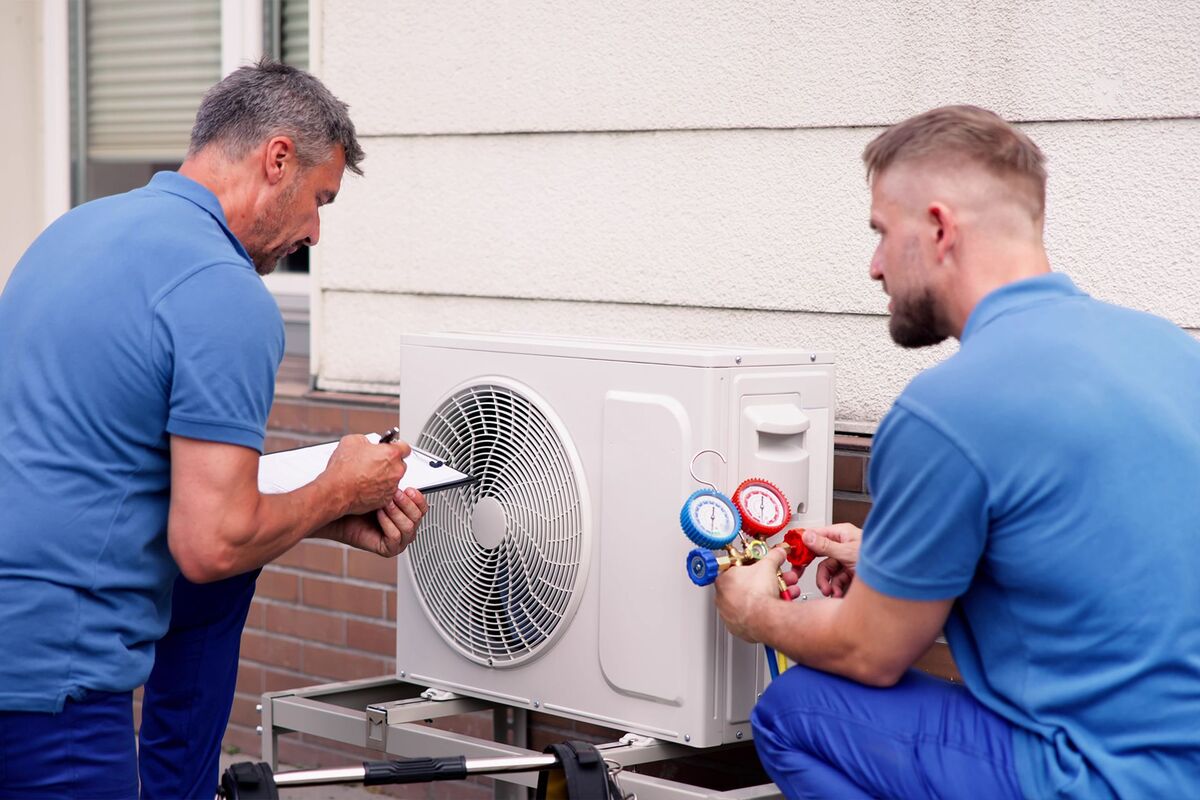
Home cooling technology is evolving rapidly as homeowners seek greater comfort, lower energy bills, healthier indoor environments, and more reliable HVAC performance. In 2026, advancements in variable-speed compressors, smart thermostats, artificial intelligence, predictive maintenance, and environmentally responsible refrigerants are changing how residential air conditioning systems are designed and operated.
Choosing the right professional has become increasingly important as modern cooling systems become more sophisticated. Today's equipment involves advanced controls, electronic components, complex airflow requirements, and increasingly precise installation standards. Proper system selection and installation can have a significant effect on efficiency, comfort, and equipment lifespan.
For homeowners planning a cooling upgrade, working with an experienced air conditioning contractor can help ensure that equipment selection, installation, maintenance, and system configuration are handled appropriately.
Variable-Speed Technology Improves Cooling Efficiency
Variable-speed technology is one of the most important developments in modern air conditioning. Traditional systems generally operate at a limited number of capacity levels, while variable-speed equipment can adjust compressor operation according to the home's cooling requirements.
During mild weather, the system can operate at a lower capacity for longer periods. When outdoor temperatures rise significantly, the compressor can increase output to meet greater demand.
This approach can reduce energy consumption while maintaining more consistent indoor temperatures. Longer operating cycles may also improve humidity control, which is particularly useful during warm and humid conditions.
Smart Thermostats Are Becoming More Intelligent
Smart thermostats are moving beyond simple programmable schedules. Modern devices can incorporate occupancy detection, geofencing, weather information, artificial intelligence, and machine learning.
These technologies allow thermostats to adapt cooling schedules according to household routines and environmental conditions.
For example, a smart thermostat may reduce cooling when a property is unoccupied and restore comfortable conditions before residents return. Some systems can also provide energy reports and recommendations that help homeowners identify inefficient settings.
Remote access through smartphone applications adds another layer of convenience, allowing homeowners to monitor and adjust their cooling systems while away from home.
Artificial Intelligence Supports Better HVAC Management
Artificial intelligence is increasingly influencing residential HVAC technology. AI-powered systems can analyze temperature, humidity, occupancy, outdoor weather, and equipment performance to optimize cooling operation.
Instead of relying entirely on fixed schedules, intelligent systems can respond dynamically to changing conditions.
AI can also identify unusual operating patterns that may indicate developing equipment problems. If a cooling system begins running longer than normal or struggles to reach the selected temperature, connected monitoring may provide an early indication that professional attention is needed.
This combination of automation and predictive analysis can improve both efficiency and system reliability.
Professional Installation Remains Essential
Advanced equipment can only perform as designed when it is properly installed. Incorrect sizing, poor airflow, inadequate ductwork, improper refrigerant charge, and incorrect thermostat configuration can all reduce system efficiency.
A qualified air conditioning contractor can evaluate the home's cooling requirements and recommend equipment based on factors such as building size, insulation, window exposure, occupancy, ductwork, and local climate.
Proper installation should include appropriate equipment sizing, airflow verification, electrical connections, refrigerant procedures, thermostat configuration, and system testing.
Professional installation provides the foundation for reliable performance throughout the cooling season.
Predictive Maintenance Reduces Unexpected Problems
Predictive maintenance is becoming increasingly common in modern HVAC service. Connected air conditioning systems can monitor runtime, compressor performance, temperature changes, airflow, and other operating characteristics.
Advanced diagnostic software can compare current performance with historical patterns and identify potential abnormalities.
This approach can allow homeowners to address developing problems before they result in major failures. Routine maintenance remains important even when equipment includes advanced monitoring because physical inspections can identify issues that sensors may not detect.
Regular filter replacement, coil cleaning, airflow inspection, and electrical evaluation can help maintain efficient system operation.
Indoor Air Quality Is Part of Modern Cooling
Air conditioning systems play an important role in indoor air quality. Modern HVAC solutions increasingly integrate high-efficiency filtration, humidity control, ventilation, and air-cleaning technologies.
Maintaining appropriate indoor humidity can improve comfort and reduce conditions that encourage unwanted biological growth.
Advanced filtration can also help reduce airborne particles, although filter selection should always be compatible with the HVAC system's airflow requirements.
Smart sensors can provide additional information about temperature and humidity, helping homeowners maintain a healthier and more comfortable indoor environment.
Environmentally Responsible Refrigerants Are Advancing
Environmental considerations continue influencing air conditioning technology in 2026. Manufacturers are developing systems around newer refrigerant technologies and improving equipment efficiency to reduce environmental impact.
Homeowners replacing older equipment should consider refrigerant availability, equipment efficiency, installation requirements, and long-term serviceability when evaluating new systems.
Professional installation is particularly important when working with newer equipment because technicians must understand the applicable refrigerant, safety requirements, charging procedures, and manufacturer specifications.
Heat Pumps Are Expanding the Cooling Market
Heat pump technology is also becoming increasingly popular because the same system can provide both heating and cooling. Modern air-source heat pumps use advanced compressors and controls to provide efficient year-round climate management.
Variable-speed operation allows these systems to adjust output according to changing demand, while smart controls can optimize operation based on weather and occupancy.
For homeowners considering replacement equipment, comparing high-efficiency air conditioners with modern heat pumps can help identify the technology that best matches the property's long-term needs.
The Future of Residential Cooling
Residential air conditioning is moving toward greater intelligence, efficiency, connectivity, and sustainability. Variable-speed technology, AI-powered controls, predictive diagnostics, advanced filtration, and newer refrigerants are creating increasingly sophisticated cooling systems.
Throughout 2026 and beyond, homeowners will have more opportunities to improve comfort while reducing energy consumption and maintenance-related disruptions.
Selecting appropriate equipment is only one part of the process. Proper installation, regular maintenance, intelligent controls, and professional diagnostics all contribute to long-term HVAC performance.
As technology continues advancing, modern cooling systems will become increasingly capable of adapting to household needs. Homeowners who combine efficient equipment with professional service and proactive maintenance can create comfortable, reliable, and energy-conscious indoor environments for years to come.

About Premium Author
This post has been authored and published by one of our premium contributors, who are experts in their fields. They bring high-quality, well-researched content that adds significant value to our platform.


Popular Categories
Stay Connected
Recent Posts