How to Pass a 4-Point Home Inspection in 2026 | Florida Guide

For Florida homeowners, preparing a property for an insurance inspection can feel stressful, especially when the home is older or major systems have not been evaluated recently. A four-point inspection focuses on four essential areas of the property: the roof, electrical system, plumbing system, and HVAC system.
If you are searching for how to pass a 4-point home inspection, the best approach is not to hide problems or make temporary repairs. Instead, homeowners should understand what the inspection evaluates, correct known deficiencies, organize relevant documentation, and make sure the inspector can access the necessary areas.
A well-prepared property can make the inspection process more efficient while helping homeowners identify maintenance issues before they become expensive problems.
What Is a 4-Point Home Inspection?
A four-point inspection is a focused evaluation of four major home systems:
- Roof
- Electrical
- Plumbing
- HVAC
The inspector generally documents the age, type, condition, and visible characteristics of these systems. Insurance companies may use this information when evaluating a property for coverage or renewal.
Insurance requirements vary by company and policy, so homeowners should always confirm current requirements with their insurance provider.
1. Start With the Roof
The roof is one of the first areas homeowners should evaluate when preparing for a four-point inspection.
Florida roofs face intense sunlight, heavy rainfall, humidity, and strong winds. Age and weather exposure can contribute to deterioration over time.
Before the inspection, look for obvious concerns such as:
- Missing or damaged roofing materials
- Cracked or deteriorated areas
- Damaged flashing
- Visible leaks
- Water stains
- Damaged roof penetrations
- Signs of deterioration
If you know the roof has a significant problem, consider having it evaluated by a qualified roofing professional.
Keep documentation of any roof replacement or repair work. Records showing when work was completed can be useful during the inspection and insurance process.
2. Check the Electrical System
Electrical systems are another major component of a four-point inspection.
Homeowners should make sure the electrical panel is accessible. Remove boxes, shelving, furniture, or other belongings that prevent an inspector from safely reaching the panel.
Look for obvious issues such as:
- Damaged outlets
- Exposed wiring
- Broken switches
- Loose fixtures
- Unusual electrical behavior
- Signs of overheating
Do not attempt electrical repairs simply to prepare for an inspection. Electrical work can be dangerous and should be handled by an appropriately qualified professional.
If electrical upgrades have been completed in the past, keep copies of permits, invoices, or other documentation when available.
3. Evaluate the Plumbing System
Plumbing problems can begin as small leaks and eventually cause significant property damage.
Before the inspection, homeowners should check accessible areas beneath sinks, around toilets, near water heaters, and around visible plumbing connections.
Watch for:
- Leaking faucets
- Damaged supply lines
- Corrosion
- Water stains
- Leaks beneath sinks
- Problems around the water heater
- Slow drains
- Unusual moisture
Fixing a known leak before it becomes a larger problem is good maintenance regardless of an upcoming inspection.
If plumbing work has been completed previously, keep records of repairs and replacements.
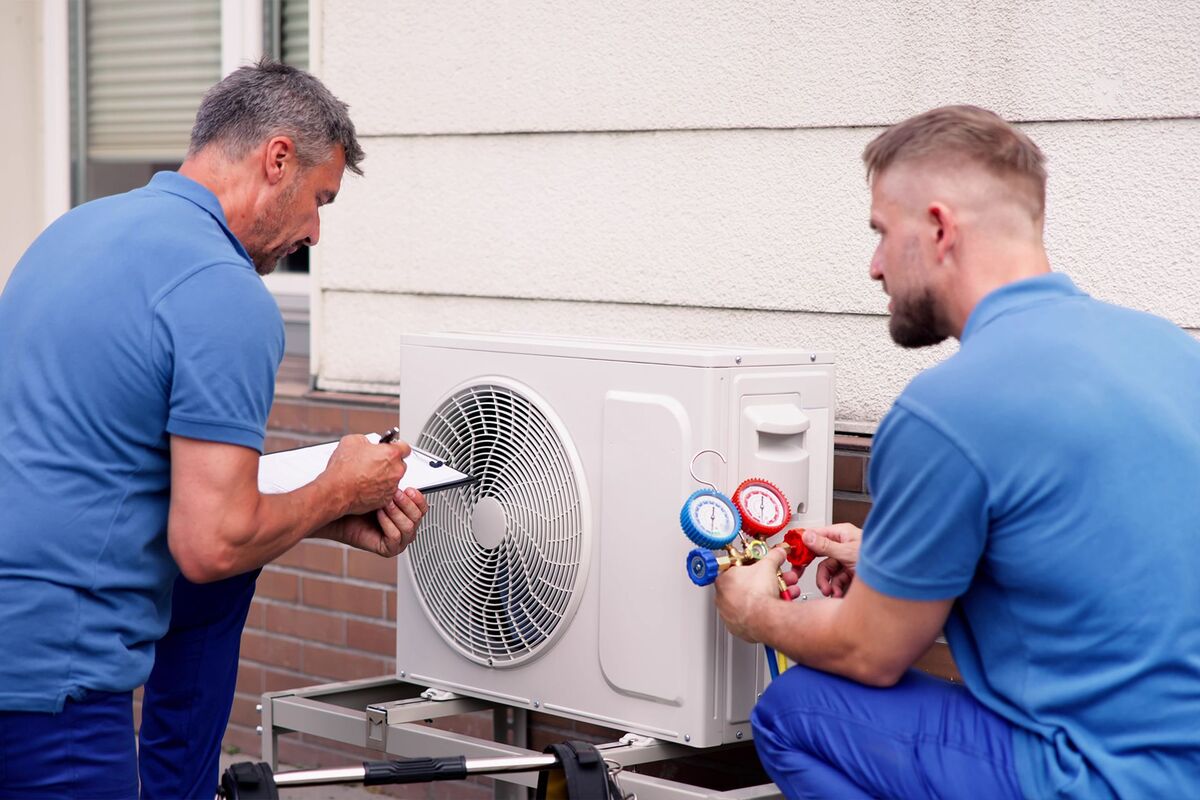
4. Maintain the HVAC System
Florida homeowners rely heavily on air conditioning, making the HVAC system an important part of property maintenance.
Before the inspection, make sure the system is operating normally and accessible to the inspector.
Simple maintenance steps include:
- Replacing a dirty air filter
- Keeping the equipment area clear
- Checking for visible condensate leaks
- Scheduling routine professional maintenance
- Addressing unusual noises
- Checking for poor airflow
Documentation showing previous HVAC maintenance or replacement can also help establish the system's history.
Prepare Your Property Before Inspection Day
One of the easiest ways to make an inspection go smoothly is to provide clear access to major systems.
Make sure the inspector can reach:
- Electrical panels
- HVAC equipment
- Water heaters
- Attic access
- Plumbing areas
- Other relevant accessible components
A blocked panel or inaccessible piece of equipment can make evaluation more difficult.
Take some time to walk through your home before the appointment and remove unnecessary obstacles.
Gather Your Home Records
Homeowners should collect documentation related to major systems before the inspection.
Useful records may include:
- Roof replacement invoices
- Roof repair records
- HVAC installation documents
- HVAC maintenance receipts
- Plumbing repair invoices
- Electrical upgrade documentation
- Previous inspection reports
- Equipment information
Good records can help establish the age and history of major components.
Don't Wait Until the Last Minute
One of the biggest mistakes homeowners make when learning how to pass a 4-point home inspection is waiting until the day before the inspection to look for problems.
Start several weeks ahead if possible.
Walk around the property and inspect visible components. Look for leaks, damage, deterioration, and blocked access. If you discover a significant concern, you will then have time to obtain professional advice.
Trying to complete major repairs immediately before an inspection can create unnecessary stress.
Avoid Temporary Fixes
A four-point inspection should provide an accurate picture of the property's condition. Attempting to conceal a defect with a cosmetic or temporary repair is not a reliable strategy.
For example, painting over a water stain does not fix the source of the moisture. Similarly, covering damaged wiring or blocking access to a problem area does not solve the underlying issue.
Proper repairs are a better long-term investment.
Does a 4-Point Inspection Have a "Pass" or "Fail"?
Homeowners often search for how to pass a 4-point home inspection, but it is important to understand that the process is not necessarily a simple pass-or-fail examination.
The inspector documents observed conditions and characteristics of the home's major systems. An insurance company may then use the information according to its own underwriting requirements.
If an issue is identified, the insurer may request additional documentation, repairs, or further evaluation depending on the situation.
Homeowners should review the inspection report carefully and address legitimate concerns appropriately.
Why Older Homes Need Extra Preparation
Older Florida homes may have aging roofs, electrical components, plumbing systems, or HVAC equipment. These systems may still function while approaching the end of their expected service life.
If you own an older home, consider arranging professional maintenance or evaluation before the inspection rather than waiting for potential problems to be discovered.
Understanding the age of your major systems can also help you plan future replacement costs.
A Four-Point Inspection Can Benefit Homeowners
Although insurance requirements are a major reason for arranging a four-point inspection, homeowners can gain additional benefits from the process.
An inspection can help identify:
- Aging components
- Visible safety concerns
- Maintenance needs
- Potential water damage
- Major system replacement timelines
- Areas requiring professional evaluation
The information can help homeowners make better decisions about maintaining their property.
Conclusion
Knowing how to pass a 4-point home inspection begins with preparation, not shortcuts. Homeowners should focus on maintaining the roof, electrical system, plumbing, and HVAC system while making sure these areas are accessible and properly documented.
Address known problems honestly, keep records of repairs and replacements, and give yourself enough time to arrange professional repairs when necessary.
In 2026, proactive maintenance can do more than help with an insurance inspection. It can improve home safety, reduce unexpected repair costs, and help protect one of your most important investments.

About Premium Author
This post has been authored and published by one of our premium contributors, who are experts in their fields. They bring high-quality, well-researched content that adds significant value to our platform.

Popular Categories
Stay Connected
Recent Posts