The Life Cycle of a Butterfly
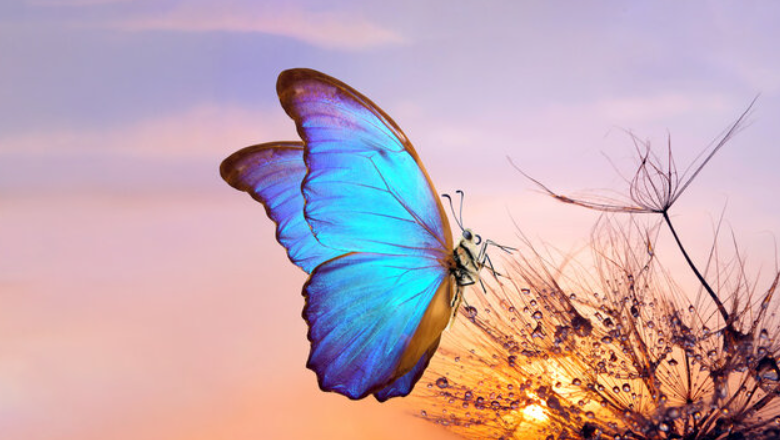
Butterflies are among the most beautiful and admired insects in the world. Their colorful wings, graceful flight patterns, and remarkable life cycle have fascinated humans for centuries. Found on every continent except Antarctica, butterflies play an essential role in maintaining healthy ecosystems. They are not only visually appealing but also serve as important pollinators and indicators of environmental health.
From gardens and forests to meadows and grasslands, butterflies bring life and color to natural habitats. Their presence often signifies a thriving ecosystem, making them valuable creatures in both nature and science.
The Life Cycle of a Butterfly
One of the most fascinating aspects of butterflies is their complete metamorphosis. Their life cycle consists of four distinct stages:
Egg Stage
The journey begins when a female butterfly lays eggs on the leaves of host plants. Different butterfly species choose specific plants that will provide food for their future offspring.
Caterpillar Stage
Once the eggs hatch, tiny caterpillars emerge. During this stage, they spend most of their time eating leaves and growing rapidly. Caterpillars can increase their body weight thousands of times before moving to the next stage.
Pupa Stage
After reaching full size, the caterpillar forms a protective casing known as a chrysalis. Inside this chrysalis, remarkable changes occur as the caterpillar transforms into a butterfly.
Adult Butterfly Stage
The adult butterfly eventually emerges from the chrysalis with soft wings that gradually expand and harden. Once ready, it begins its search for food, mates, and suitable locations to lay eggs, continuing the cycle.
The Importance of Butterflies in Nature
Butterflies contribute significantly to the environment. They serve multiple ecological functions that support biodiversity and ecosystem balance.
Pollination
Like bees, butterflies help pollinate flowering plants. As they feed on nectar, pollen sticks to their bodies and is transferred from one flower to another. This process supports plant reproduction and helps maintain healthy ecosystems.
Food Source for Wildlife
Butterflies and their caterpillars provide food for many animals, including birds, spiders, reptiles, and small mammals. They are an important part of the food chain.
Environmental Indicators
Scientists often use butterfly populations as indicators of environmental health. Changes in butterfly numbers can signal habitat loss, climate change, pollution, or other ecological issues.
Butterfly Diversity Around the World
There are more than 17,000 known butterfly species worldwide. Each species possesses unique characteristics, colors, and behaviors.
Some of the most famous butterflies include:
Monarch Butterfly
Known for its incredible migration, the Monarch Butterfly travels thousands of kilometers between breeding and wintering grounds. Its orange and black wings make it one of the most recognizable butterfly species.
Swallowtail Butterfly
Swallowtails are among the largest butterflies and are known for the tail-like extensions on their hind wings. They display striking color patterns that vary by species.
Blue Morpho Butterfly
Found in Central and South America, the Blue Morpho Butterfly is famous for its brilliant blue wings that shimmer in sunlight.
Painted Lady Butterfly
This widespread species can be found across multiple continents and is admired for its beautiful orange, black, and white wing patterns.
Butterfly Habitats
Butterflies can thrive in a wide range of habitats, provided they have access to food, shelter, and host plants.
Forests
Many butterfly species live in forests where they benefit from diverse plant life and protection from harsh weather conditions.
Meadows and Grasslands
Open meadows filled with wildflowers offer abundant nectar sources for butterflies and support large populations.
Gardens
Home gardens can become butterfly-friendly habitats by including nectar-rich flowers and native plants. Gardeners often attract butterflies by planting species such as milkweed, lavender, and marigolds.
Wetlands
Certain butterfly species depend on wetland ecosystems for breeding and feeding opportunities.
Challenges Facing Butterfly Populations
Despite their beauty and importance, butterfly populations face numerous threats.
Habitat Loss
Urban development, deforestation, and agricultural expansion have destroyed many natural habitats that butterflies depend upon for survival.
Climate Change
Changing temperatures and weather patterns can disrupt migration routes, breeding cycles, and food availability.
Pesticide Use
Excessive use of pesticides can harm both butterflies and their caterpillars. Chemical exposure often reduces butterfly populations and negatively affects biodiversity.
Invasive Species
Non-native plants and animals can alter ecosystems and reduce the availability of suitable host plants for native butterflies.
How We Can Help Protect Butterflies
Protecting butterflies requires collective effort from individuals, communities, and governments.
Plant Native Flowers
Growing native flowering plants provides nectar and shelter for local butterfly species.
Reduce Pesticide Usage
Using environmentally friendly gardening practices helps create safer habitats for butterflies and other pollinators.
Support Conservation Programs
Many organizations work to protect butterfly habitats and promote biodiversity conservation. Supporting these initiatives can make a meaningful difference.
Create Butterfly Gardens
Even small gardens can provide valuable resources for butterflies. Including host plants and nectar-rich flowers encourages butterfly populations to thrive.
Interesting Facts About Butterflies
- Butterflies can see ultraviolet colors that are invisible to humans.
- Some butterfly species can taste using sensors located on their feet.
- Butterfly wings are covered with thousands of tiny scales that create their vibrant colors.
- Monarch butterflies can travel over 4,000 kilometers during migration.
- Butterflies have existed on Earth for approximately 56 million years.
Conclusion
Butterflies are much more than beautiful insects. They play a crucial role in pollination, support food chains, and help scientists monitor environmental health. Their extraordinary life cycle and remarkable diversity make them one of nature's most fascinating creatures.
As habitats continue to face pressure from human activities and climate change, protecting butterfly populations has become increasingly important. By planting native flowers, reducing pesticide use, and supporting conservation efforts, individuals can help ensure that future generations continue to enjoy the beauty and ecological benefits of butterflies.
These delicate yet resilient insects remind us of the interconnectedness of nature and the importance of preserving biodiversity for a healthier planet.

About Premium Author
This post has been authored and published by one of our premium contributors, who are experts in their fields. They bring high-quality, well-researched content that adds significant value to our platform.


Popular Categories
Stay Connected
Recent Posts