GAPP Medicaid complete Guide to Pediatric Home Care Georgia
Why Families in Georgia Need Clear Answers About GAPP Medicaid
When a child has complex medical needs, families often find themselves overwhelmed by hospital visits, medical bills, and long-term care decisions. One of the most important yet misunderstood support systems available in Georgia is GAPP Medicaid.
Many parents hear about it through doctors or other families but still don’t fully understand what it actually covers, who qualifies, or how it helps in real life.
This guide breaks it down in a simple, practical way so families can clearly understand how GAPP Medicaid supports pediatric home care services in Georgia and why it has become a lifeline for medically fragile children.
What Is GAPP Medicaid in Georgia?
GAPP Medicaid in Georgia is a state Medicaid-based program designed to provide in-home skilled nursing and personal care services for medically fragile children under 21 years of age.
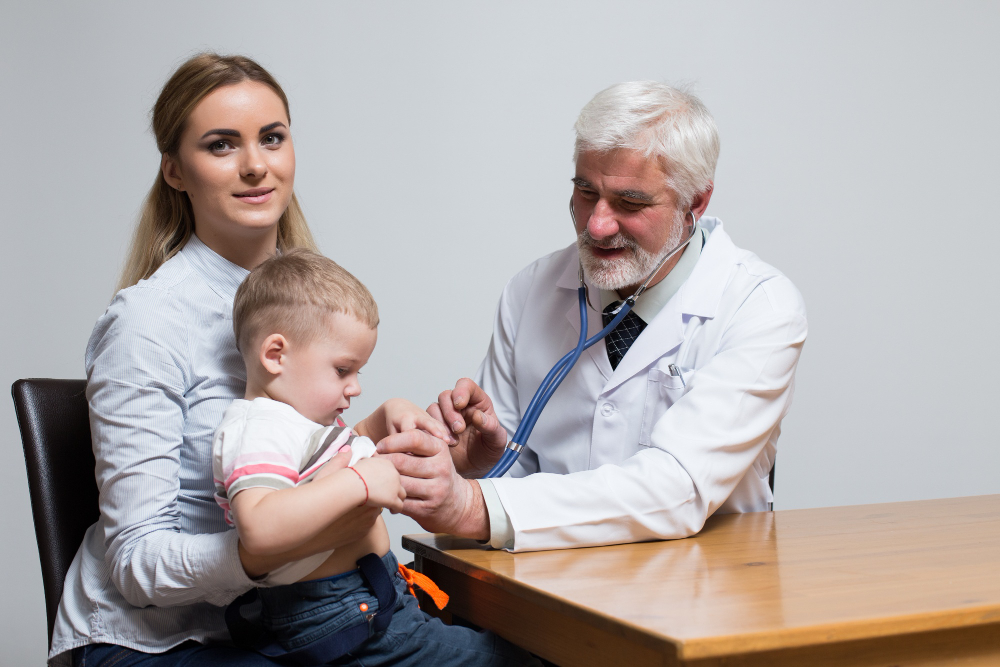
Instead of long hospital stays or institutional care, eligible children can receive professional medical support at home.
The program is built around a core idea:
Children with complex medical needs often do better when they are cared for in a familiar home environment with proper medical supervision.
Under GAPP Medicaid, families can access services such as:
- Skilled nursing care at home
- Personal care assistance
- Ongoing medical monitoring
- Support with daily living activities
Who Qualifies for GAPP Medicaid Benefits?
Eligibility is based on medical necessity rather than income alone. A child may qualify if they meet the following conditions:
- Under 21 years of age
- Have active Georgia Medicaid coverage
- Require skilled nursing or ongoing medical care
- Have a physician-confirmed medical condition
- Need assistance with daily medical or personal care needs
Common qualifying conditions include:
- Tracheostomy or ventilator dependence
- Feeding tube (G-tube or NG tube) care
- Severe neurological disorders
- Complex seizure disorders
- Chronic respiratory conditions
- Developmental disabilities with medical complications
Each case is reviewed individually, which means approval depends on the child’s specific medical needs.
What Services Does GAPP Medicaid Cover?
One of the biggest advantages of GAPP Medicaid is the wide range of home-based pediatric healthcare services it provides.
Skilled Nursing Services
Registered nurses (RNs) or licensed practical nurses (LPNs) provide:
- Medication administration
- Vital signs monitoring
- Respiratory support
- Tracheostomy and ventilator care
- Wound care and post-hospital recovery support
Personal Care Support
Depending on the care plan, services may include:
- Feeding assistance
- Bathing and hygiene support
- Mobility assistance
- Daily routine supervision
- Basic safety monitoring
Care Coordination
GAPP providers often help families manage:
- Medical appointments
- Therapy scheduling
- Physician communication
- Care plan updates
Why GAPP Medicaid Is a Game-Changer for Families
For many families, GAPP Medicaid is not just a program—it is a complete shift in how care is delivered.
1. Care at Home Instead of Hospitals
Children can remain in their home environment instead of long-term institutional settings.
2. Financial Relief for Families
Approved services are covered by Medicaid, reducing out-of-pocket costs significantly.
3. Skilled Medical Support
Trained nurses handle complex medical tasks safely and professionally.
4. Reduced Family Stress
Parents are no longer responsible for managing every medical task alone.
5. Better Quality of Life for Children
Children experience more comfort, stability, and emotional security at home.
How the GAPP Medicaid Process Works
Although the process may seem complex at first, it generally follows a clear structure:
Step 1: Medical Documentation
A physician confirms that the child requires skilled nursing care at home.
Step 2: Medicaid Verification
The child must have active Georgia Medicaid coverage.
Step 3: Application Submission
Medical records and care needs are submitted through a licensed GAPP provider.
Step 4: Review and Approval
The state reviews the application and determines eligibility based on medical necessity.
Step 5: Care Begins at Home
Once approved, a care plan is created and nursing services begin in the home.
Common Challenges Families Face
Even though GAPP Medicaid is designed to help, families often face challenges such as:
- Difficulty understanding eligibility rules
- Delays in approval due to paperwork requirements
- Limited awareness of available providers
- Confusion about service hours and coverage
Because of this, many families rely on experienced pediatric home care agencies to guide them through the process.
The Role of GAPP Providers in Medicaid Home Care
Licensed GAPP providers play a key role in delivering services under the Medicaid program.
They help families by:
- Handling application and documentation
- Assigning qualified pediatric nurses
- Creating personalized care plans
- Coordinating ongoing care services
- Supporting Medicaid compliance requirements
A good provider ensures that care is not only approved but also delivered consistently and safely.
Why Home-Based Pediatric Care Is Growing in Georgia
The demand for GAPP Medicaid services continues to increase due to several key trends:
- More children are surviving complex medical conditions due to advanced healthcare
- Families prefer home-based care over institutional settings
- Medicaid programs are expanding community-based support options
- Home medical technology is more accessible than ever
This shift reflects a larger healthcare movement toward family-centered, home-based pediatric care.
Final Thoughts
GAPP Medicaid in Georgia is one of the most important healthcare support systems available for medically fragile children. It provides access to skilled nursing care, personal assistance, and essential medical services—all within the comfort of home.
For families navigating complex medical challenges, GAPP Medicaid offers more than financial coverage. It provides stability, professional support, and the ability to keep children close to their families while receiving the care they need.
Understanding how the program works is the first step toward unlocking life-changing support and building a safer, more stable future for children who need it most.

About Premium Author
This post has been authored and published by one of our premium contributors, who are experts in their fields. They bring high-quality, well-researched content that adds significant value to our platform.


Popular Categories
Stay Connected
Recent Posts