Solar Panel Cleaning in Aziz Bhatti Town: When Needed
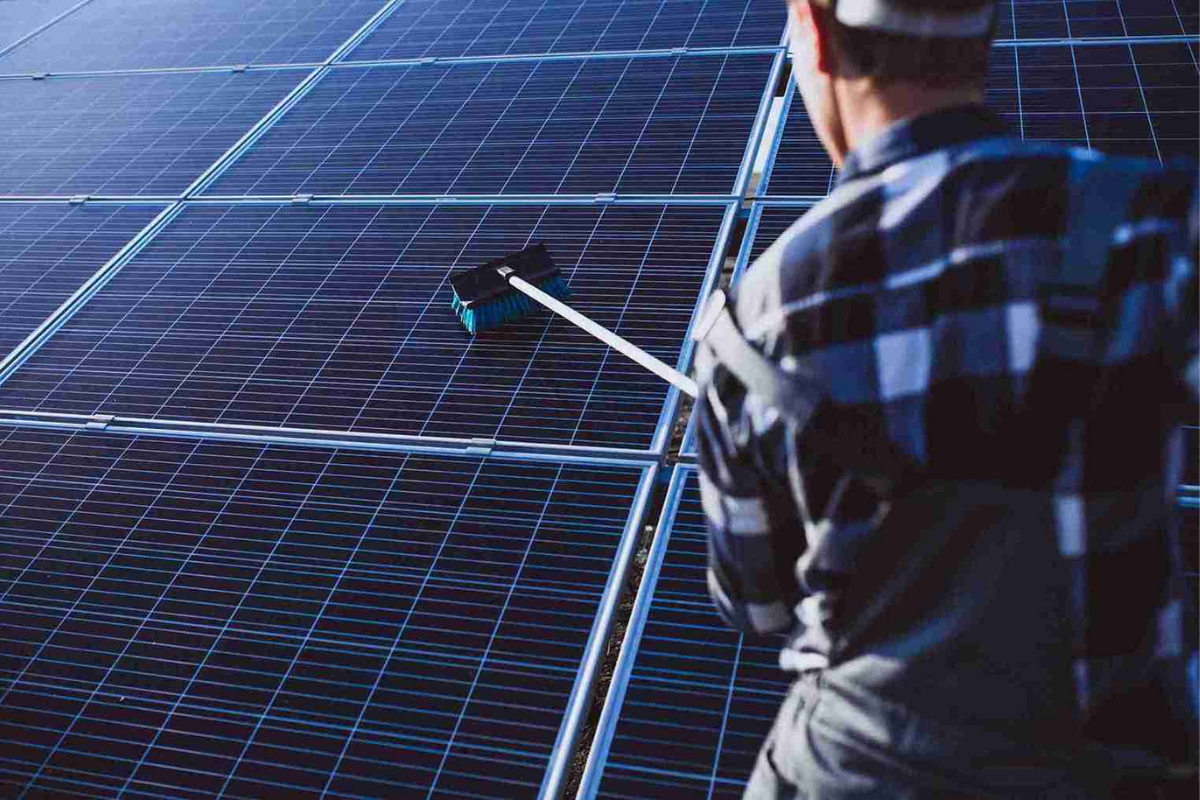
Solar panels in Lahore do not stay clean for long, especially where road dust, construction work, dry weather, and smog settle on rooftops. Solar panel cleaning in Aziz Bhatti Town is usually necessary, but the right timing depends on how quickly dirt builds up and whether energy output starts to fall.
The useful question is not whether panels should ever be washed. It is how often your system needs attention and what signs prove cleaning is worthwhile. This guide covers local soiling, warning signs, safe methods, realistic intervals, and the point where professional help makes more sense than climbing onto the roof yourself.
Do Solar Panels in Aziz Bhatti Town Really Need Cleaning?
Yes, most rooftop systems in Aziz Bhatti Town need periodic cleaning because rain cannot remove every type of dirt. Loose dust may wash away during a strong shower, but pollution residue, bird droppings, mud streaks, and sticky grime often remain on the glass.
Solar panels generate electricity when sunlight reaches the cells beneath the glass. Dirt blocks part of that light. Even when panels look only slightly dusty, uneven patches can hurt performance because one heavily soiled area may affect a wider section of the panel string.
Cleaning matters most when dirt forms a visible film or generation drops without another clear reason. A thin dust layer may cause only a small change at first, yet it can thicken during dry weeks, especially on low-slope roofs.
Washing too often wastes water and raises the risk of scratches, damaged seals, and roof accidents. Waiting too long allows grime to harden and makes the next wash harder.
Why Do Panels Get Dirty So Quickly in Lahore?
Panels in Lahore collect dirt quickly because the city combines dry dust, traffic pollution, construction particles, seasonal smog, and long gaps between effective rainfall. Aziz Bhatti Town rooftops near busy roads, open plots, workshops, or building sites may soil faster than roofs inside quieter streets.
Dust is only part of the problem. Vehicle emissions can leave a slightly greasy layer that traps more particles. Bird droppings create concentrated spots that ordinary rain may not remove. Pollen, leaves, feathers, and small debris can also gather near the lower frame of tilted panels.
Monsoon rain may reduce loose surface dust, but light rain can mix dust with water and leave dried marks. Hard tap water can create similar mineral spots if it dries on hot glass.
This is why one annual timetable does not suit every home. AfinitySolar inspections typically consider glass condition, roof angle, nearby pollution sources, and recent production data before treating cleaning as necessary.
What Signs Show That Your Solar Panels Need Cleaning?
The clearest signs are visible dirt, stubborn droppings, uneven patches, and a repeatable fall in daily generation. One cloudy day proves nothing. A steady decline across several clear days deserves attention.
Start with your inverter app or monitoring portal. Compare output from similar sunny days instead of comparing different seasons. Temperature, cloud cover, shade, grid interruptions, and inverter faults can all change production, so look for a pattern.
Watch for these practical warning signs:
- A grey or brown film across the glass
- Bird droppings covering part of a cell area
- Mud lines near the lower edge
- Leaves or debris trapped between rows
- Output staying low across several clear days
- One section looking much dirtier than the rest
A visual check from a safe position is usually enough. Do not climb onto a steep or wet roof just for a closer look. A phone camera with zoom or monitoring data may provide the answer.
People often search solar panel cleaning near me after seeing a sudden output drop. First rule out new shade, inverter warnings, loose wiring, tripped breakers, or grid shutdowns. Cleaning cannot repair an electrical fault.
How Often Should Solar Panels Be Cleaned in Aziz Bhatti Town?
Most systems should be checked monthly and cleaned when dirt becomes visible or performance falls, rather than washed on a rigid weekly routine. A practical interval may range from every few weeks during dusty periods to every two or three months in cleaner conditions.
The right interval depends on the roof and surroundings:
- Homes near busy roads or active construction may need more frequent cleaning.
- Panels under regular bird activity may need spot cleaning sooner.
- Steeper panels usually shed loose dust better than flatter panels.
- Systems with production monitoring can be cleaned based on evidence.
- A panel washed before a dusty spell may look dirty again within days.
During dry, windy weather, inspect more often. After a dust event, check whether a visible film has formed. During the rainy season, do not assume every shower has cleaned the system; inspect for dried streaks and dirt along the lower frame.
Solar panel cleaning in Aziz Bhatti Town should follow condition, not habit. A clean-looking system with stable output does not need washing because a calendar reminder appeared. A visibly dirty system with falling output should not wait for the next scheduled month.
What Is the Safe Way to Clean Solar Panels?
Safe cleaning uses cool water, soft tools, light pressure, and a method that protects the glass, frame, cables, and roof. For solar panel cleaning in Aziz Bhatti Town, early morning or late afternoon is usually safer because the panels are cooler and water dries less quickly.
Shut down the system only according to the procedure supplied with the installation. Never pull connectors apart, touch exposed wiring, or spray water directly into junction boxes, isolators, or damaged cable points.
Use a soft brush, microfiber pad, or non-abrasive sponge. Clean water is often enough for ordinary dust. For stubborn grime, use a small amount of panel-safe cleaner and rinse properly. Avoid bleach, abrasive powder, metal scrapers, harsh detergent, and pressure washers.
Do not walk on solar panels. Point pressure can crack cells or damage seals without leaving an obvious mark. Avoid washing hot panels at midday because sudden cooling can stress the glass and fast drying can leave spots.
Proper solar system cleaning also includes removing debris near drainage points and visually checking frames, cables, and mounting parts. It does not include untrained electrical repairs.
Should You Clean the Panels Yourself or Use a Professional?
DIY cleaning can be reasonable when the roof is flat, access is safe, the panels are easy to reach, and the person understands fall and electrical risks. Professional cleaning makes more sense when access is difficult, the system is large, or the roof is slippery.
The common mistake is treating panel washing like car washing. Rooftops add height, uneven surfaces, loose cables, hot glass, and live equipment. A cheap wash becomes expensive if someone falls, scratches the glass, breaks a connector, or floods an isolator.
Solar panel cleaning services in aziz bhatti town should use soft equipment, controlled water flow, safe access methods, and a clear inspection process. Ask what will touch the glass, whether pressure washing is used, how cables are protected, and whether output is checked before and after cleaning.
Some homeowners compare providers offering clean and green services, but the label matters less than the method. A responsible cleaner should explain what will be cleaned, what will not be touched, and why the work is needed.
AfinitySolar is one service option, but the practical choice should rest on safety, process, transparency, and the condition of the system. A careful method protects the equipment.
Can Dirty Panels Cause Permanent Damage?
Ordinary dust usually reduces performance before causing physical harm, but long-term buildup can create harder problems. Bird droppings, packed mud, trapped leaves, and standing moisture may stain glass, block drainage, or contribute to uneven heating.
Uneven soiling is more concerning than a light, even dust layer. A dark patch over part of a panel can make some cells work differently from the rest. That is a good reason to remove heavy spots promptly.
Neglect can also hide faults. Dirt around frames may conceal cracks, loose clamps, damaged cables, or signs of water entry. Cleaning creates a chance to notice visible issues, although only a qualified technician should test or repair electrical problems.
Not every dusty panel is in danger. Panic-cleaning after every windy day is unnecessary. Remove heavy contamination early, monitor output, and do not leave thick grime sitting for months.
Final Thoughts
Yes, solar panels in Aziz Bhatti Town usually need cleaning because Lahore’s dust, pollution, bird activity, and dry weather can block sunlight from reaching the cells. Solar panel cleaning in Aziz Bhatti Town works best when it follows visible buildup, safe access, roof conditions, and a consistent change in energy output.
Check the system regularly, compare production on similar clear days, and use only soft tools and safe methods. The goal is not showroom-perfect glass. It is steady generation without creating a safety or equipment problem.
Frequently Asked Questions
Does Rain Clean Solar Panels Well Enough in Lahore?
Heavy rain can remove loose dust, but it may not clear pollution film, bird droppings, mud lines, or mineral marks. After rain, inspect the lower panel edge because dirt often gathers there as water drains.
Can I Use Tap Water to Wash My Solar Panels?
Tap water can be used, but it may leave mineral spots if it dries quickly on hot glass. Clean during cooler hours, rinse properly, and use a soft microfiber tool where access is safe.
How Much Power Can Dirty Panels Lose?
The loss depends on dirt thickness, panel angle, weather, shading pattern, and system design. Light dust may cause a small reduction, while heavy or uneven soiling can produce a more noticeable drop. Monitoring data is more reliable than appearance alone.
Is Pressure Washing Safe for Solar Panels?
High-pressure washing is not recommended because it can damage seals, force water into electrical areas, loosen wiring, or drag grit across the glass. Low-pressure water and soft tools are safer.
Should Panels Be Cleaned Before Summer?
A pre-summer inspection is sensible because electricity demand rises and dry conditions can increase dust buildup. Clean the panels if they are visibly dirty or output has fallen, but do not wash a clean, stable system only because the season changed.

About Premium Author
This post has been authored and published by one of our premium contributors, who are experts in their fields. They bring high-quality, well-researched content that adds significant value to our platform.


Popular Categories
Stay Connected
Recent Posts